

Water work is always a big conversation on smaller projects.
Over the years, I’ve had the chance to shoot a few projects with extensive underwater work. On those jobs, you’re usually talking about Hydroflex gear, proper underwater camera teams, pools, hydrolighting, water safety, and all the planning that goes with real underwater sequences.
That is not really what I’m talking about here.
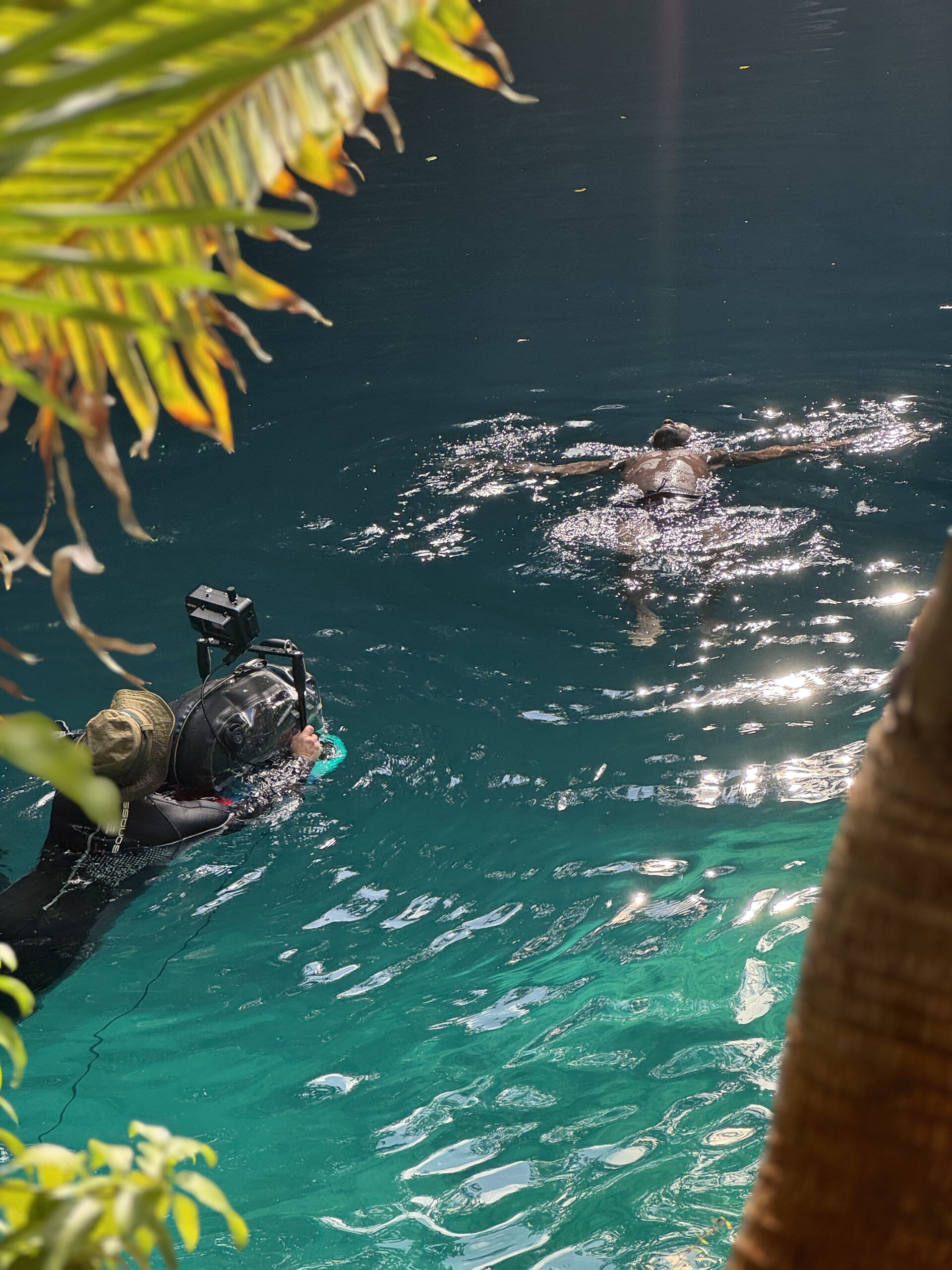
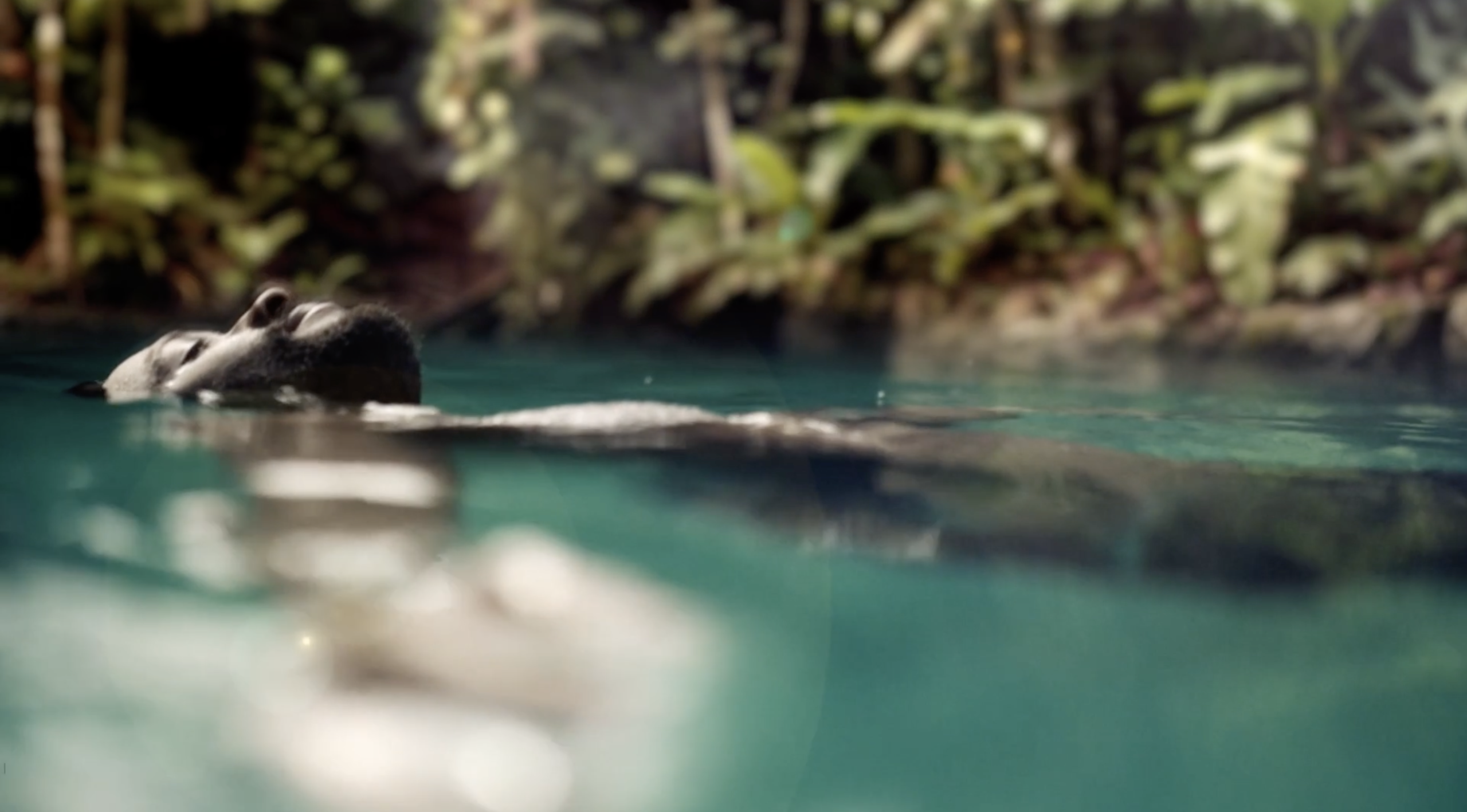
I’m talking about the shoots where you need to be on the surface of the water, or just below it, and you don’t have the time, budget, or need to bring out the full underwater circus. Maybe it’s a boat scene, a river crossing, a floating POV, a character dropping under for a moment, or a camera that simply needs to live in a wet, dirty, unpredictable environment without everyone holding their breath.
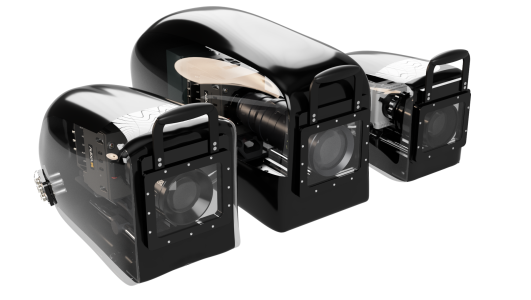
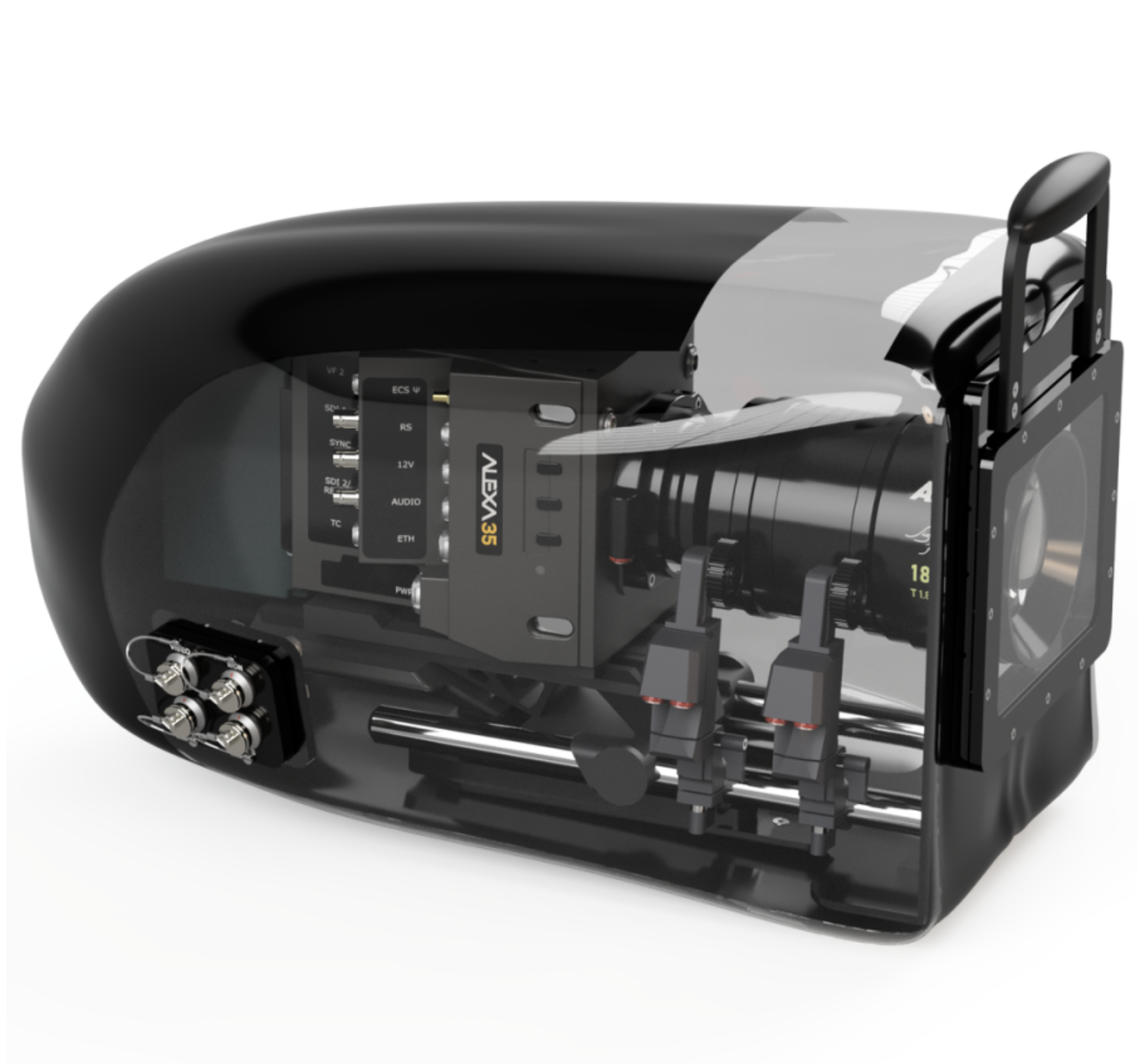
Enter the SCU-50 from Scubacam.
THEIR DESCRIPTION
Scubacam splash bags require minimal tools to install, operate, and remove the camera assembly – A “dry” studio rig can be installed with almost no adjustments due to the ARRI standard dovetail inside all housings. All other operating adjustments are designed to be done by hand.
Scubacam’s range of housings are designed to be operated just above or down to 4m below the water surface, or in an environment which is very dusty or dirty. Scubacam’s range of housings are designed to be operated just above or down to 4m below the water surface, or in an environment which is very dusty or dirty.
Supported by a lighweight yet strong anodised aluminium framework, the Scubacam splash housings are made from very hard wearing and robust polyurethane and are sealed with a specialised YKK watertight zip made to the U.K. M.o.D. specifications, which is welded to the housing making a 100% watertight seal. The camera is inserted through the zip, and the housing is rendered waterproof by closing the zip. The clear heat sealed PVC windows allow the user to view the camera menus, displays and indicators. All the joins and seams of the unit are double stitched and taped both sides for added security.
I really think this is a great tool.
Hydroflex makes a “Splashbag” that can protect cameras from splashes, rain, and messy environments, but it is not designed to be fully submerged. The Scubacam housing is different. This thing can actually go underwater, down to 4 meters, which is roughly 13 feet. Honestly, in my mind, that covers a huge amount of the water work most film, TV, commercial, and indie shoots actually need.
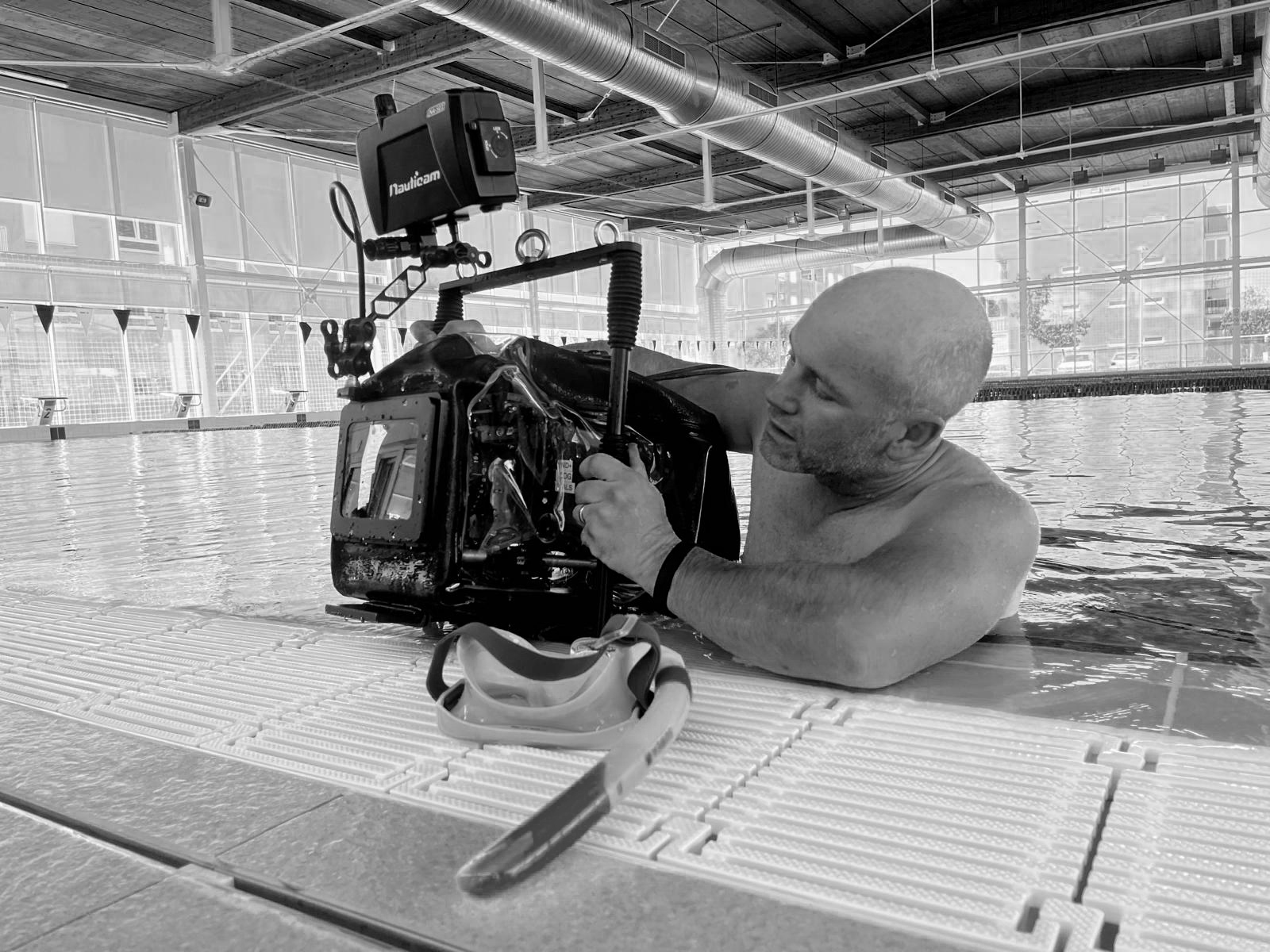
The best part is that you can build the camera in its normal studio form. You are not stripping everything down into some strange tiny underwater package. For close-range work, you can still operate with normal wireless focus and wireless video. If you are going deeper or staying under longer, you can move into a tethered setup for video, remote control, and power.
The units come in three sizes: SCU-30, SCU-50, and SCU-60. The SCU-60 is the smallest in the line, made for something closer to a RED-sized body with a small zoom. On the other end, the SCU-30 can take a Phantom Flex 4K with a full studio zoom. The SCU-50 sits in a very useful middle ground. That is the unit I used on the last two jobs, and it seemed to hold everything we needed without turning the camera build into a science project.
I know… when you first look at it and realize the only thing keeping the water out of the bag is a zipper, you panic a little bit. I sure did. But I was assured it is a proper watertight seal, and it is rated down to 4 meters. Still, it takes a second to trust it.
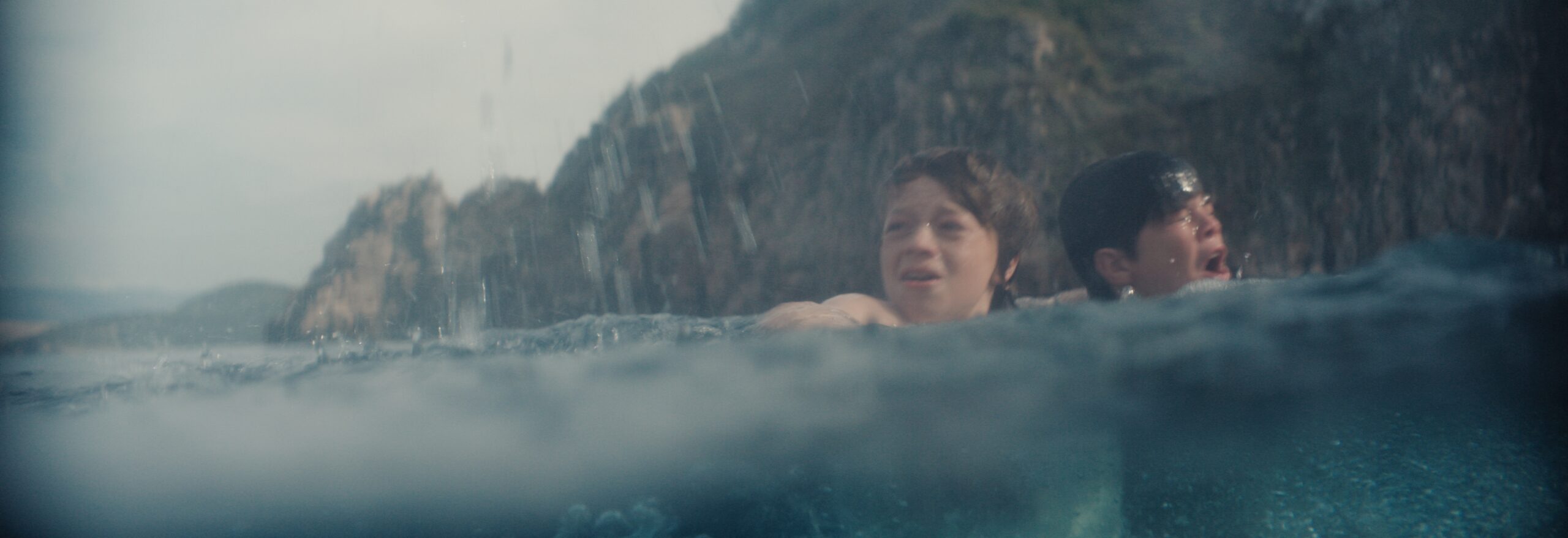
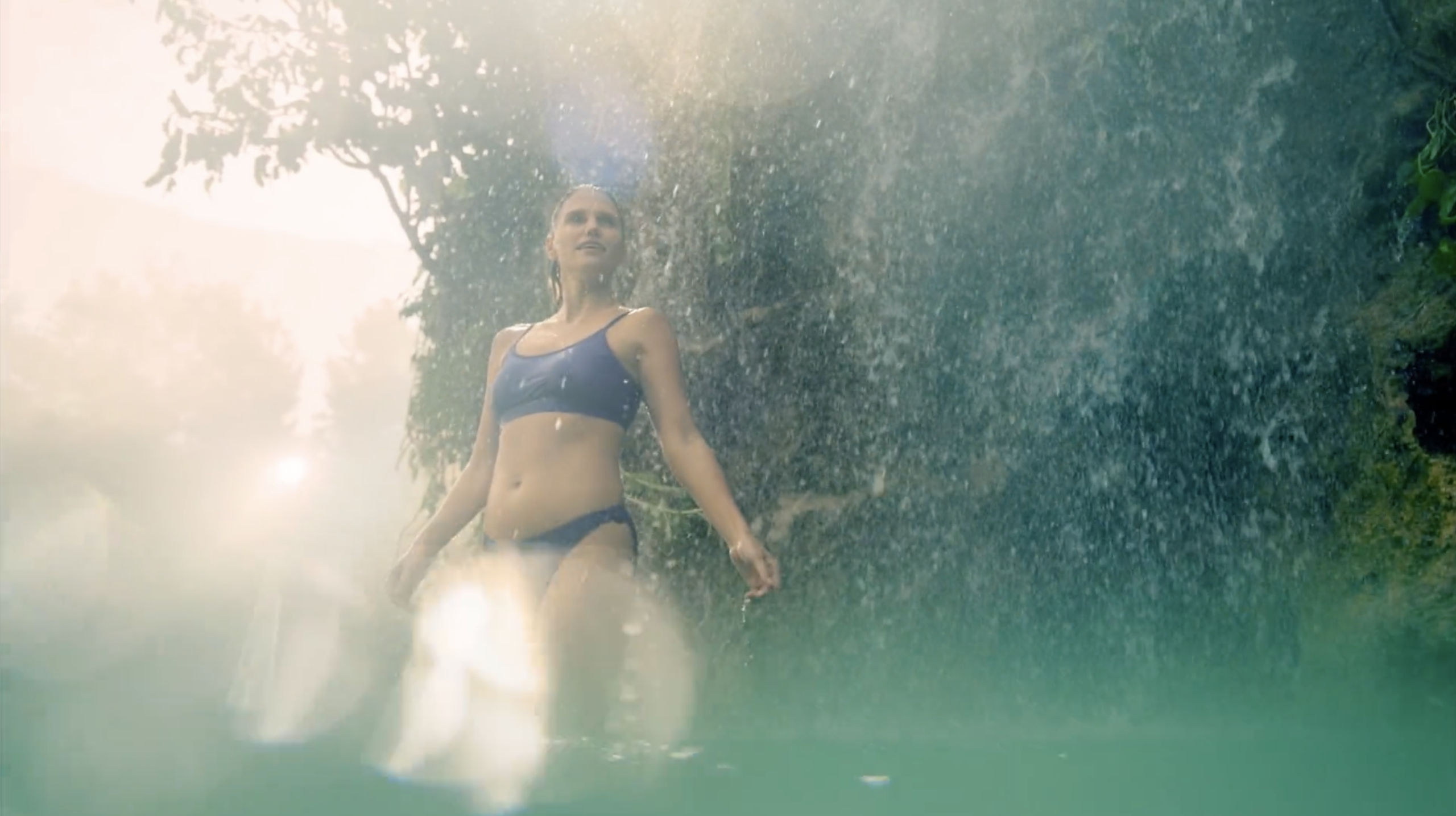
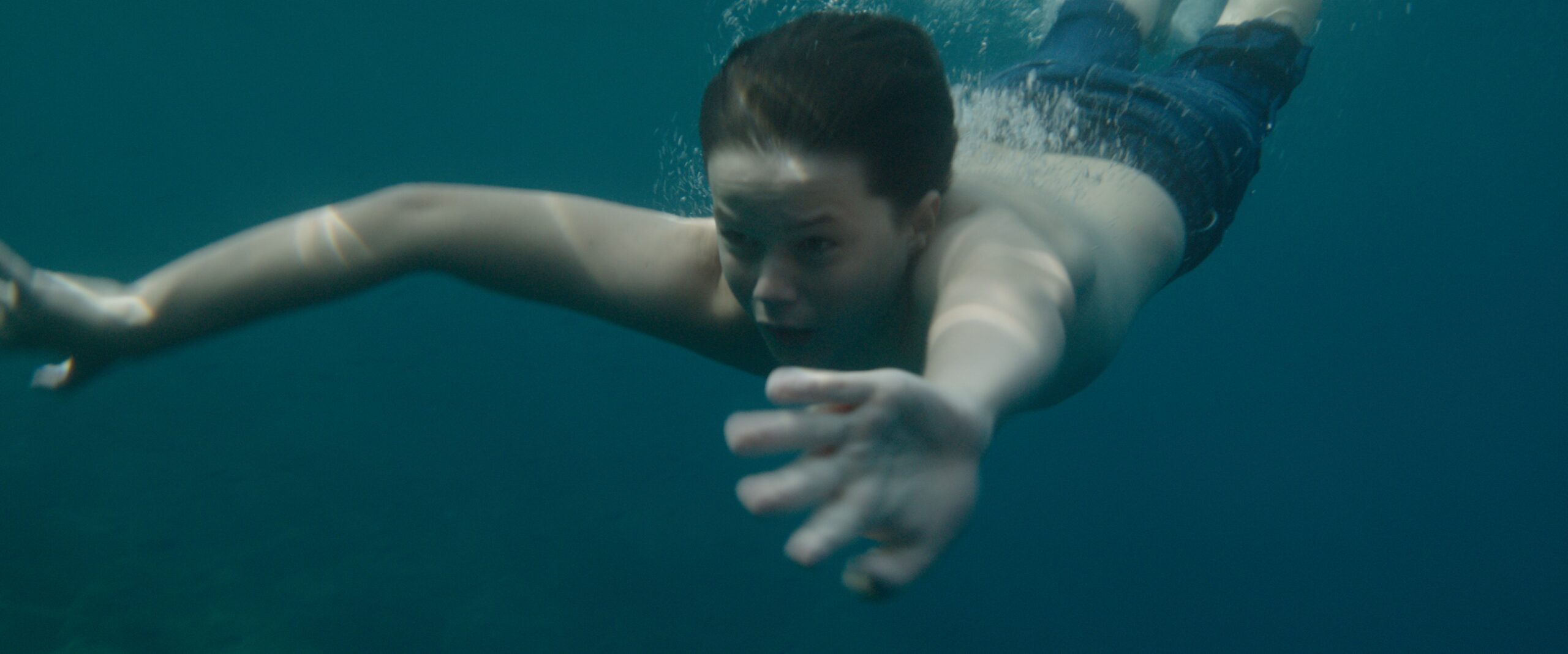
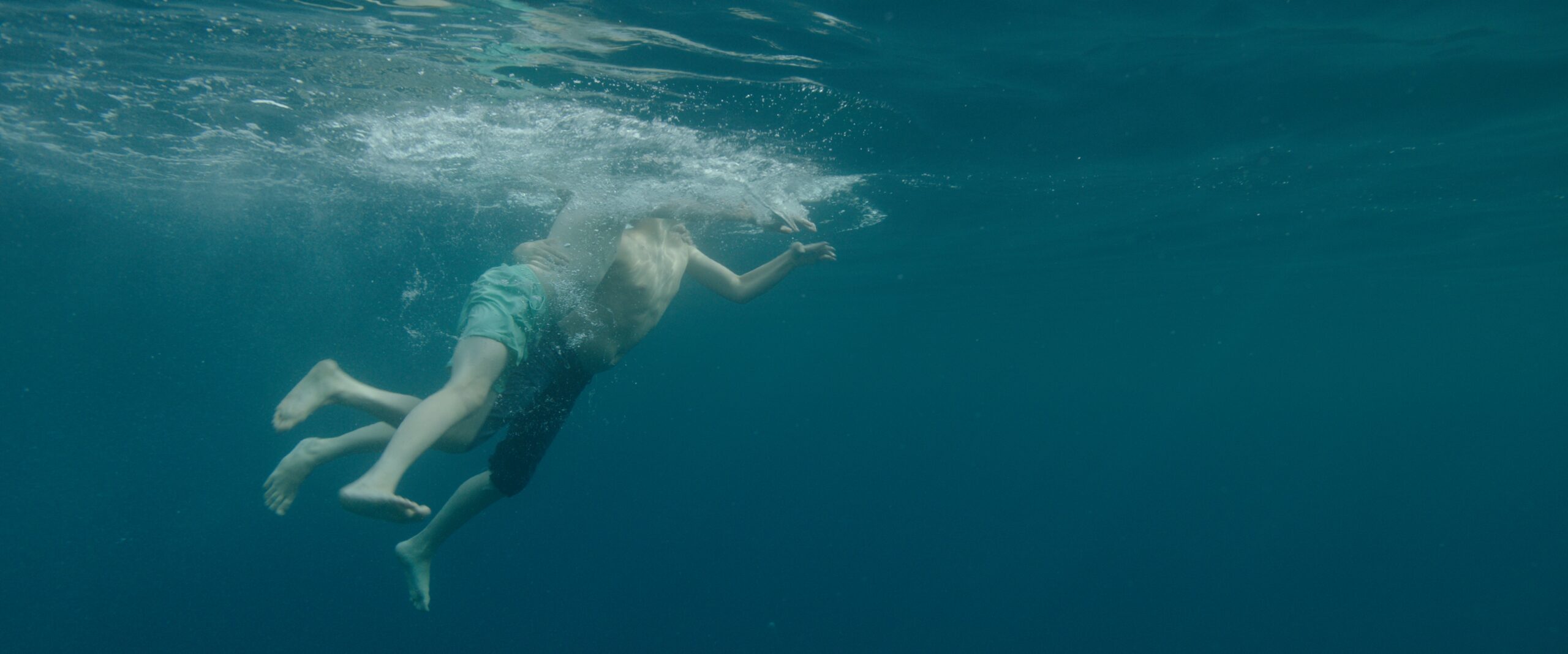
They also make all the accessories you would hope for: monitors, cables, handgrips, and air-jet systems for the front element. You can see the accessories here.
At the end of the day, I am always in support of tools that make a project more streamlined, more available, and more creatively possible. Anything that helps smaller shoots get into places they normally could not afford to go is a win in my book.
Well done, Scubacam.
You must be logged in to post a comment.