
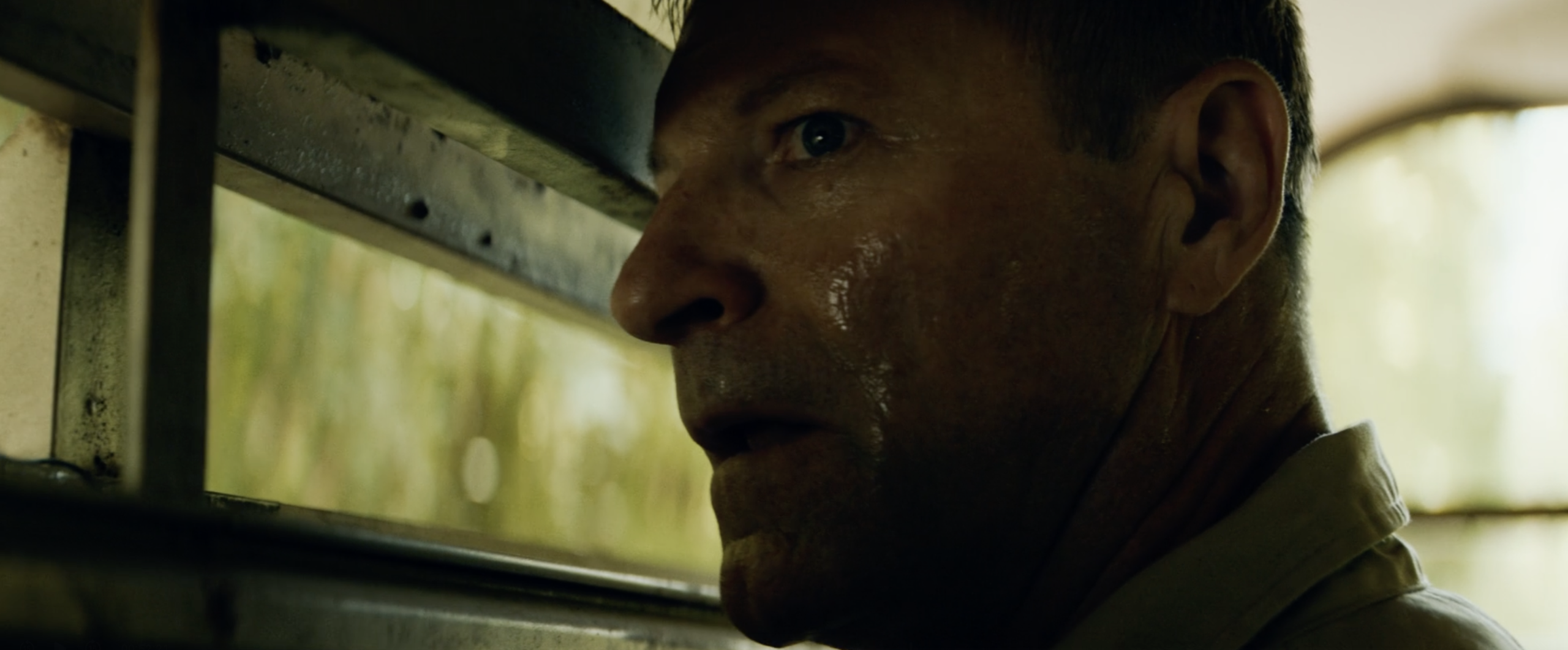
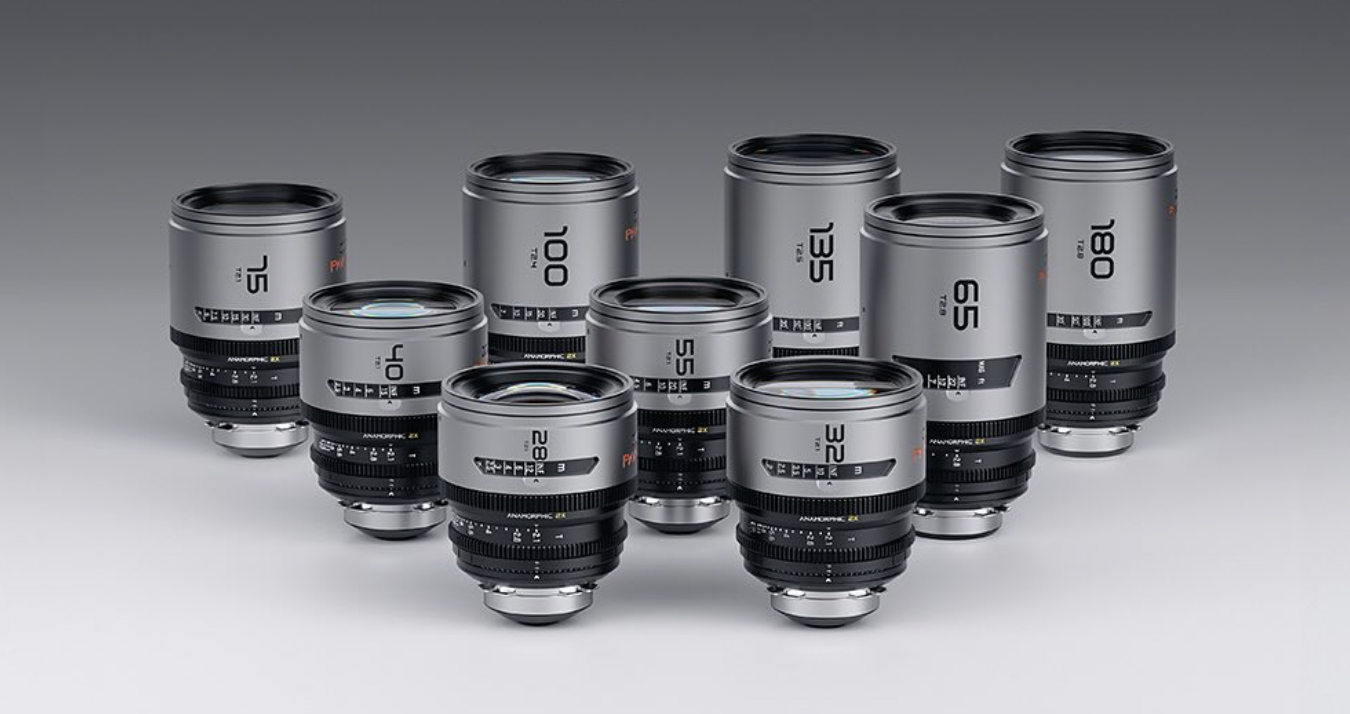
Last year, I was able to play around with this lens set on film and really use them in real action-film scenarios, under the physical restraints and the speed of contemporary indie filmmaking. This is my real-world review of what I learned about the Pavo 2x Anamorphic set by DZO to be able to test out these lenses on a film
I’ve always believed the best anamorphic lenses don’t try to impress you. The easiest way to describe these lenses is that they don’t flare easily, they don’t feel clinically sharp, and they don’t have attention-sealing distortion. They just… shape light well.
I’m not drawn to glass that feels overly sharp or clinical. Cinema, to me, lives in softer transitions — velvety shadows, highlights that taper instead of clip, faces that feel dimensional instead of etched. These just let highlights roll gently, and they let space feel dimensional instead of flat.
The Pavo lenses carry a classical anamorphic character. Even at wider focal lengths like the 28mm or 32mm, the distortion feels intentional. The falloff adds depth without turning theatrical. Space compresses and stretches in a way that feels human.
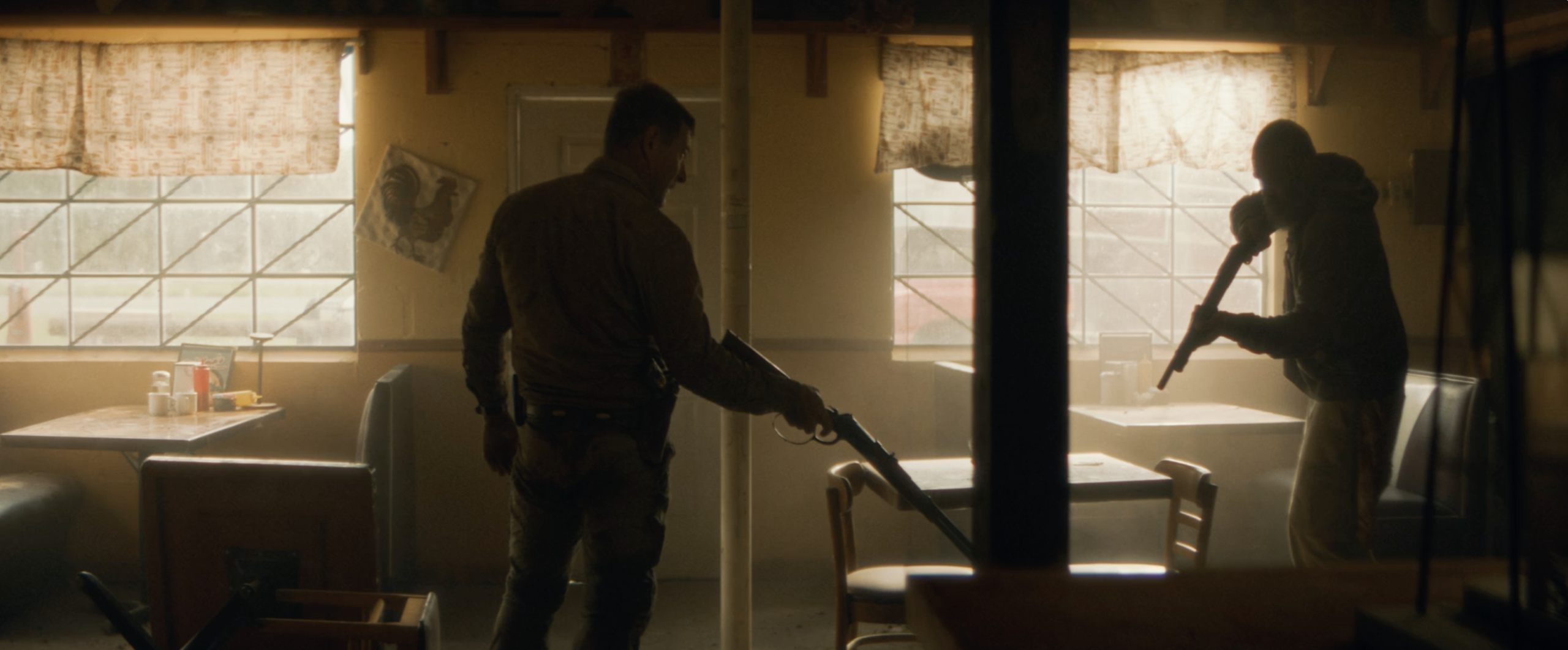
Their contrast has this creamy cohesion to it. Nothing feels brittle. Nothing feels hyper-corrected. It just holds together.
And because the set covers a complete focal range in a compact build, you’re not compromising character when you shift perspectives. The language stays consistent.
SIZE | WEIGHT | LENGTH
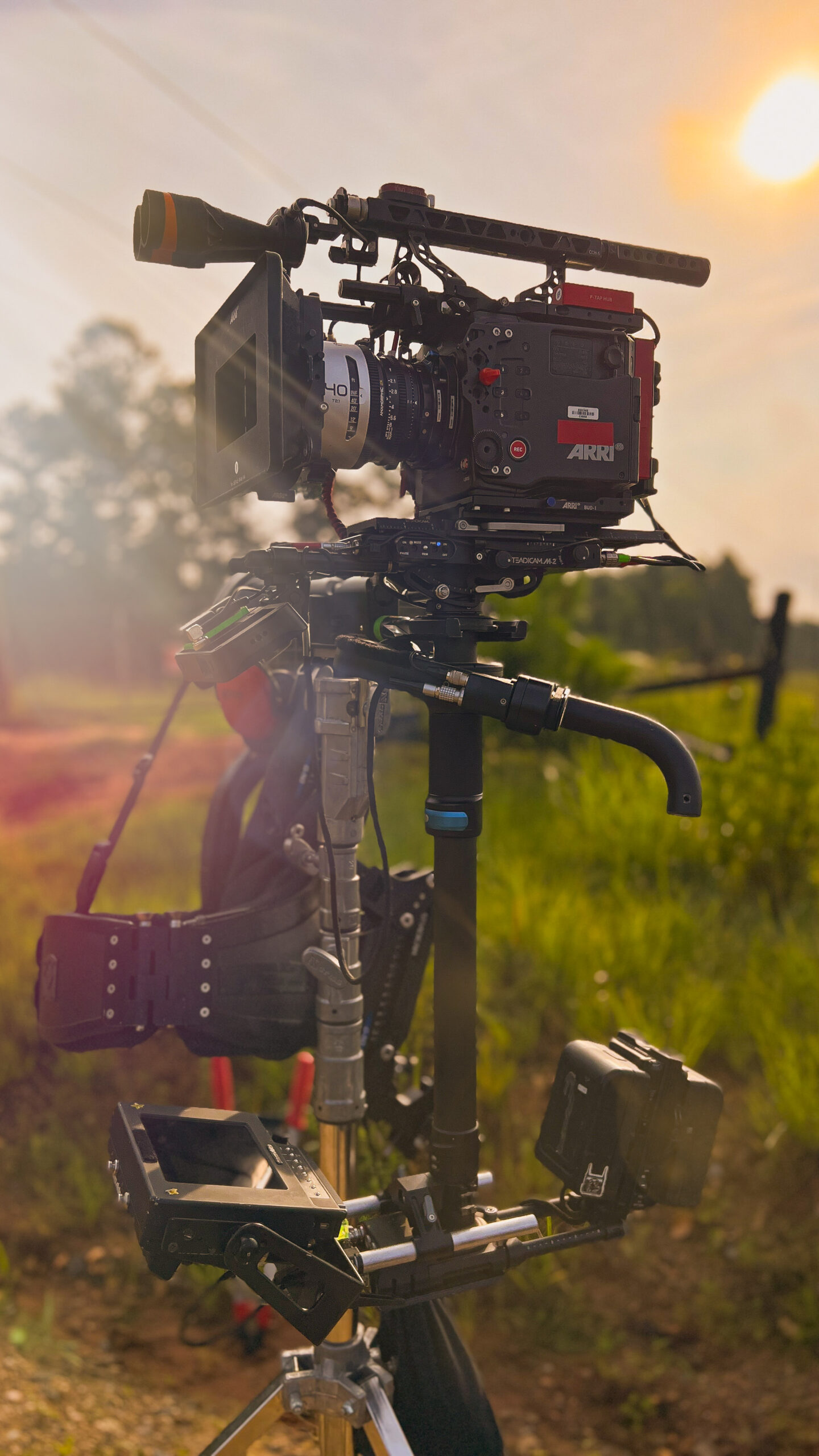
A thing I appreciated immediately was how easy they were to move with. The lenses are compact, and the close-focus performance is strong. The 40mm, for example, focuses significantly closer than something like the Hawk V-Lite 40mm. That may sound like a small detail, but it changes how close you can physically get without breaking spatial continuity. You can stay inside the moment.
Switching between handheld, Steadicam, or vehicle work never felt like a technical burden. The lenses didn’t fight the build. They didn’t demand special treatment. They just worked.
The entire set has a front diamater at a tiny 95mm. The set ranges from 2.6 lbs with the 28mm to 4.3 lbs with the 180mm telephoto. This is obviously a bonus for anyone needing to save time on radical rebuilds for each lens or on any backing or filtration swaps. The best part is that it does not give up any image quality or technical steps back by doing so. You still get the same sharp, consistent image quality I touched on earlier out of each lens, and you still get amazing close focus. That kind of practicality is underrated.

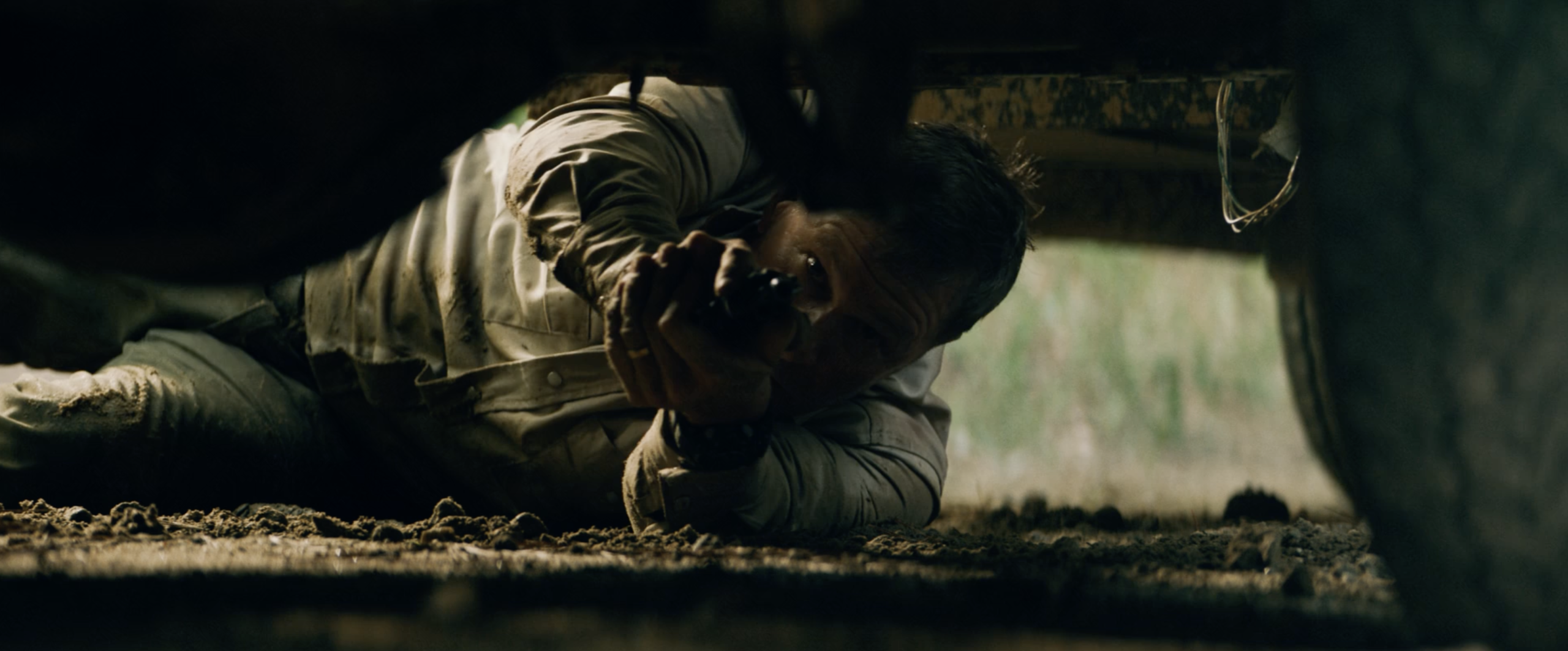
THE LOOK
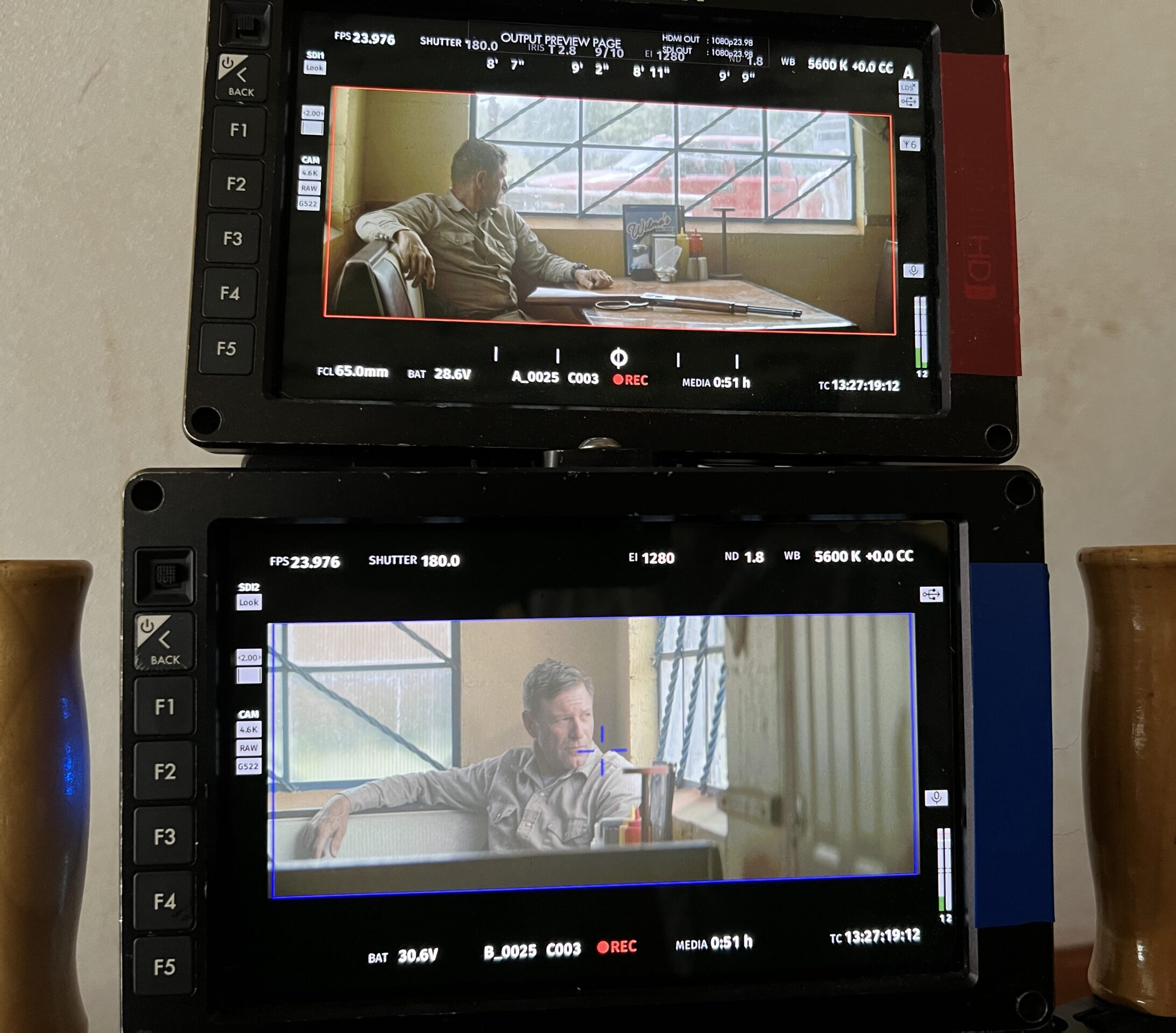
People talk about anamorphic like it’s just oval bokeh or horizontal flare. It’s not.
It’s dimensionality.
It’s physical focus transitions.
It’s how the frame holds both subject and environment at the same time.
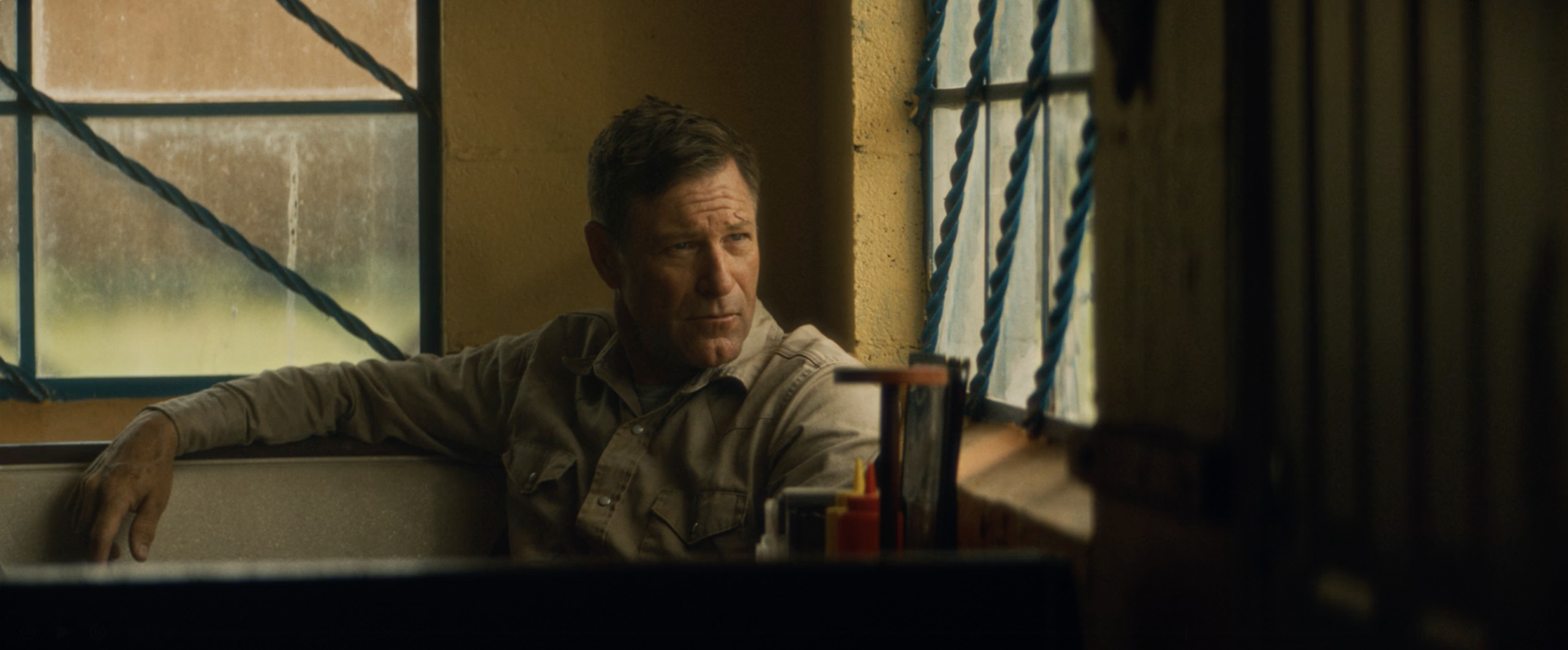
The Pavo lenses carry that feeling naturally. The background separation is elliptical but controlled. Focus rolls feel smooth and tactile. There’s a sense of space breathing in the frame.
I tend to avoid aggressive, overly saturated flare. On these lenses, even the flares are disciplined. They have a subtle raked specular path that holds a slight cyan tone, but mostly a soft smearing of light. The only time it is more noticeable is at deeper stops. That restraint goes a long way.
You really see what a lens is made of in post.

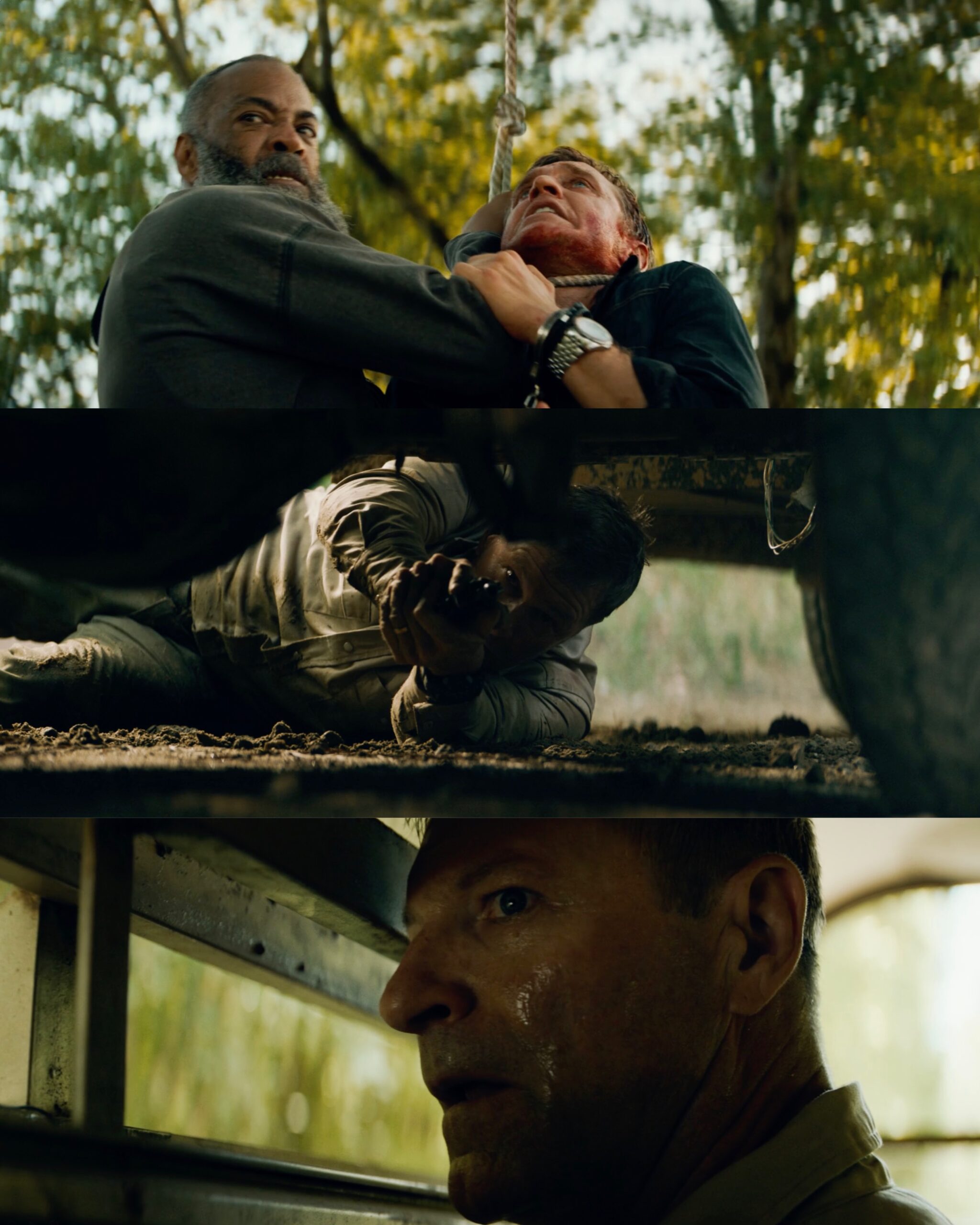
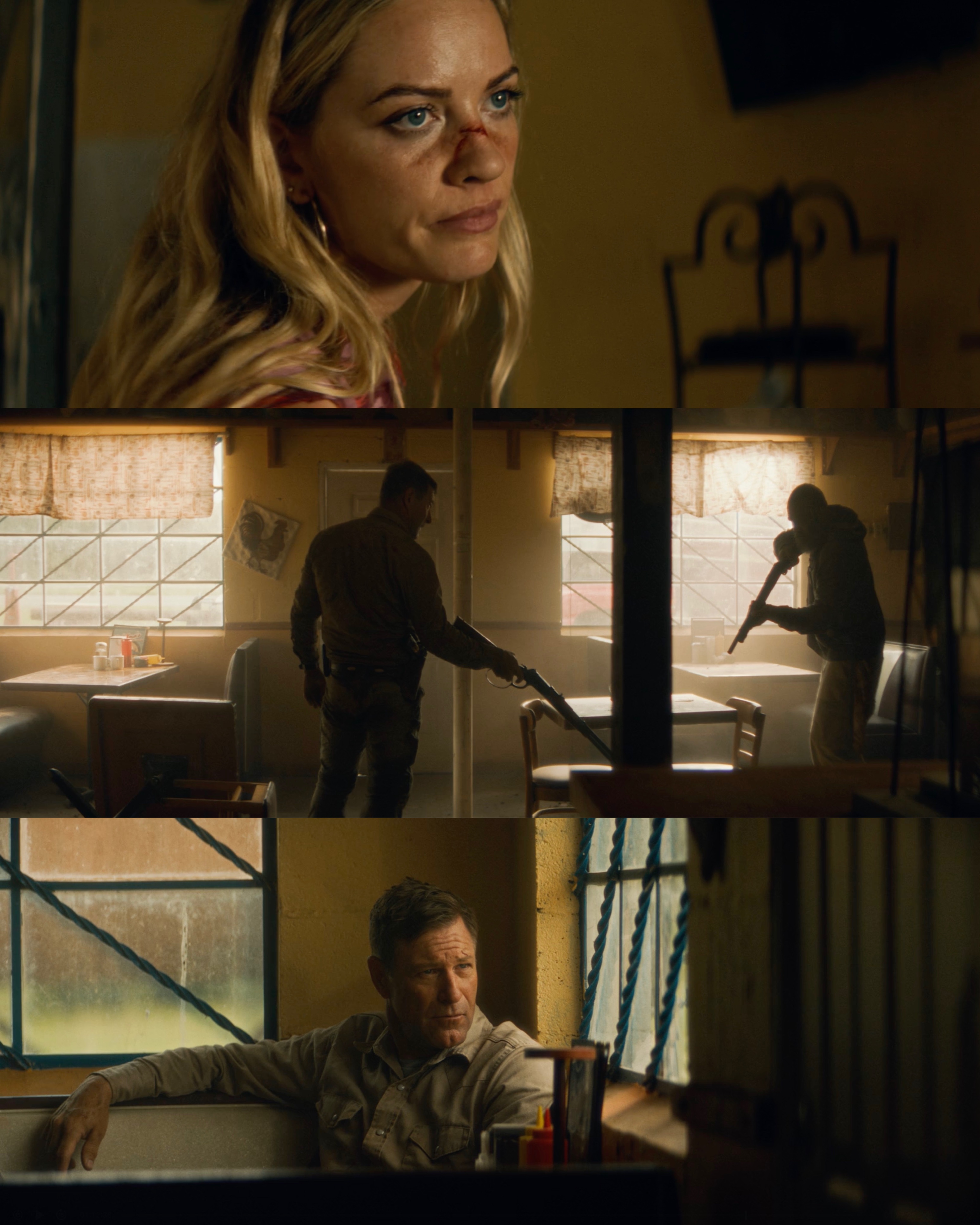
These lenses gave us a dimensional starting point. Highlight roll-off preserved detail. Contrast felt balanced. Nothing needed to be “fixed.” My colorist, Ryan McNeal, or RKM Studios put it well:
“The native depth of field and large-format feel helped achieve an overall cinematic look. While the edges feel pleasingly vintage, the center action was sharp and I never felt like I needed to correct or subdue the effects of the lens. We made a film-like look for this, and when combined with the lensing, I feel like we were able to hit the desired intention.”
The grade became about shaping mood — not repairing artifacts. The lenses held their character without fighting the process. And that’s when you know the glass is doing its job.
That’s really it.
You must be logged in to post a comment.